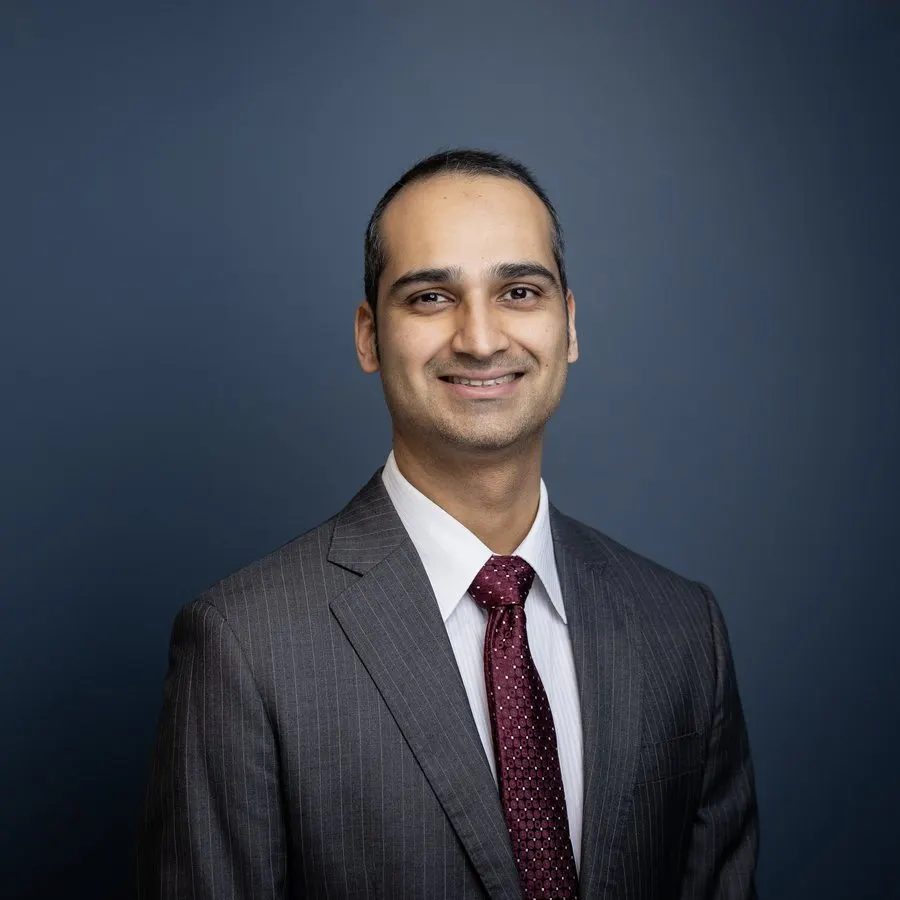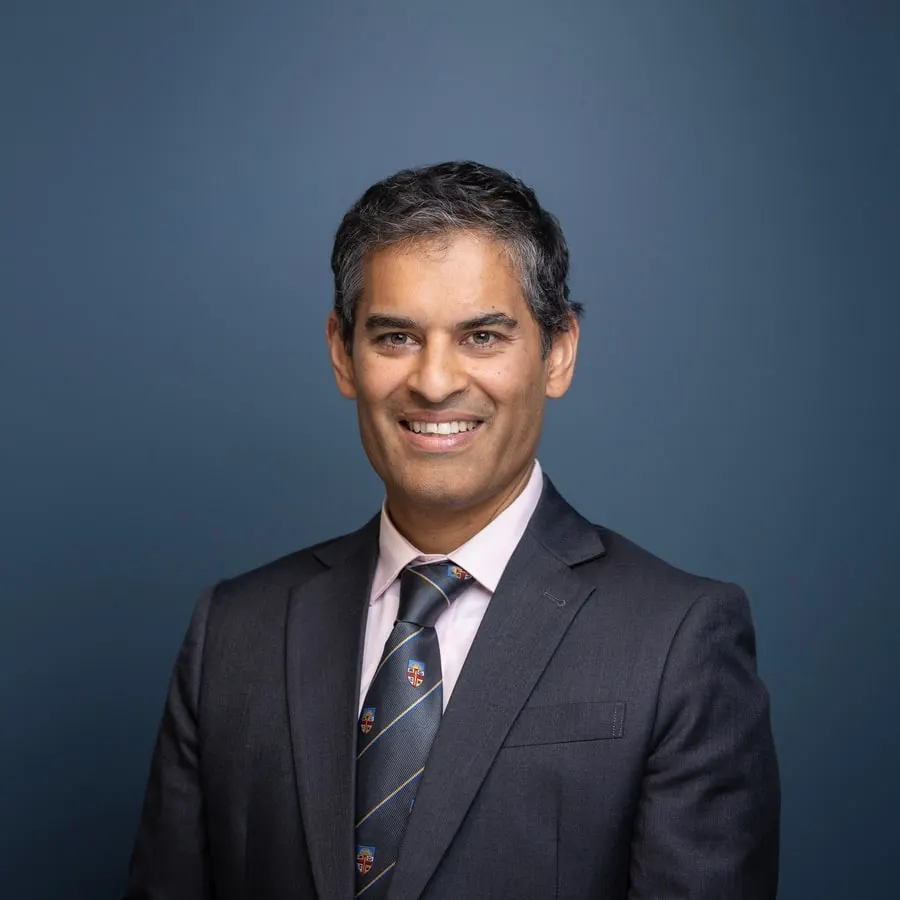
About Dr Rangarajan
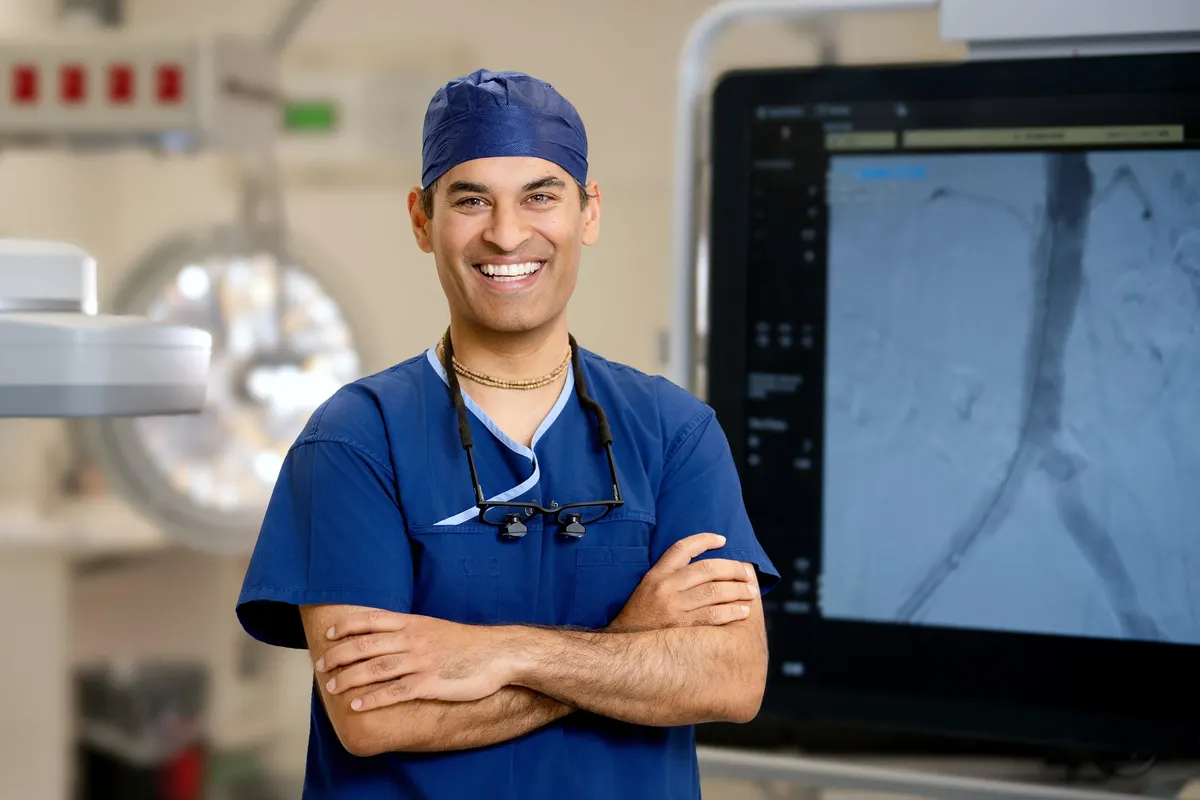
Dr Shrikkanth (Raj) Rangarajan is a prominent Melbourne-based vascular, endovascular and renal access surgeon and a Fellow of the Royal Australasian College of Surgeons (FRACS) in vascular surgery. Combining international sub-specialist training with senior public and private clinical leadership, he offers patients across Melbourne and regional Victoria comprehensive, contemporary care across the full spectrum of arterial, venous, and renal access conditions.
As Managing Director and Chief Executive Officer of Yarra Vascular Surgeons and Yarra Vascular Imaging, Raj leads an integrated, multidisciplinary service that brings specialist surgical consultation, onsite diagnostic vascular ultrasound, and advanced wound, vein and arterial care together under one roof. In the public health sector, he serves as Deputy Head of the Department of Vascular Surgery at Northern Health, where he is also Clinical Lead for the Neurovascular Service and Research Lead for Vascular Surgery.
After graduating from Monash University with dual degrees in Medicine and Law with Honours, Raj completed intensive specialist vascular and endovascular training across leading tertiary centres in Australia and New Zealand – including The Alfred Hospital and The Royal Melbourne Hospital in Melbourne, Princess Alexandra Hospital and Royal Brisbane and Women's Hospital in Brisbane, and Auckland City Hospital in New Zealand. Committed to bringing world-class vascular innovations to Australian patients, he has subsequently undertaken advanced training and clinical observerships at premier international vascular centres in the United States (UCSF in San Francisco, Mount Sinai and Stony Brook University Hospitals in New York), Europe (Klinikum Nuremberg in Germany and St Elisabeth Hospital in Tilburg, Netherlands), and Singapore (CLI-C Expert Forum).
Clinically, Raj treats complex arterial and venous pathology using tailored medical management, minimally invasive endovascular techniques, and advanced open surgery. In March 2026, following accreditation and proctored cases in Melbourne, he led the introduction of Transcarotid Artery Revascularisation (TCAR) at Northern Health, pioneering one of Victoria's first minimally invasive, flow-reversal based carotid stenting programs for stroke prevention. He is also an international presenter and supervising author for vascular and endovascular surgery textbooks.
What distinguishes Raj's practice is the rare convergence of frontier clinical innovation, rigorous patient-safety governance, and humanitarian leadership. As Principal Investigator on multiple First-in-Human international clinical trials, he provides his patients with early access to next-generation therapies. His background as an alumnus of the Academy for Emerging Leaders in Patient Safety, and a Captain in the Australian Army Reserves (awarded the Australian Defence Medal and Australian Service Medal for peacekeeping operations in the Solomon Islands) underpins a safe, calm, meticulous, and deeply empathetic approach to surgical care. Beyond Australia, he serves as a Board Director of the registered charity Global Vascular Companionship, where he spearheaded the initial development of the Global Vascular Database and led humanitarian surgical missions to the Solomon Islands and Fiji – including supporting the South Pacific's first endovascular aortic aneurysm repair (EVAR) in 2026.
Clinical focus
Peripheral Arterial, Aortic & Stroke-Prevention Surgery
- Carotid artery disease and stroke prevention: Minimally invasive Transcarotid Artery Revascularisation (TCAR), transfemoral carotid artery stenting, and open carotid endarterectomy.
- Peripheral arterial disease (PAD) and lower-limb revascularisation: Advanced endovascular techniques including angioplasty/stenting/atherectomy/bioresorbable scaffolds, and bypass surgery for claudication and arterial blockages.
- Complex aortic and peripheral aneurysm repair: Minimally invasive endovascular repair (EVAR, TEVAR, iliac branched and fenestrated endografting) and open surgical repair of abdominal, thoracic, aorto-iliac, and peripheral aneurysms.
- Critical limb-threatening ischaemia (CLTI) and diabetic foot salvage: Distal infrapopliteal and pedal arch revascularisation, Deep Venous Arterialisation (DVA) for "no-option" limbs, and multidisciplinary diabetic wound care.
Venous Disease, Varicose Veins & Wound Care
- Minimally invasive varicose and spider vein treatment: Radiofrequency ablation (RFA), endovenous laser ablation (EVLA), medical adhesive closure (VenaSeal glue), ultrasound-guided foam sclerotherapy, microsclerotherapy, and stripping/ligation/avulsions/phlebectomy.
- Chronic venous insufficiency and leg ulcer management: Comprehensive diagnostic mapping and targeted treatment for leg swelling (oedema), venous eczema, and non-healing venous or mixed arterial-venous leg ulcers.
- Deep venous disease and obstruction: Endovascular thrombectomy/thrombolysis/stenting for acute deep vein thrombosis (DVT), and post-thrombotic syndrome management.
Renal Access
- Dialysis access surgery and fistula creation: Native arteriovenous fistula (AVF) creation, advanced approaches to fistula maturation, prosthetic access grafts, and endovascular fistula maintenance (fistuloplasty and thrombectomy).
Achievements & research
- Pioneering Victoria's Breakthrough TCAR Stroke-Prevention Program (March 2026): Partnered with Dr David Goh and the multidisciplinary team at Northern Health to introduce Transcarotid Artery Revascularisation (TCAR), a minimally invasive, flow-reversal stenting procedure for high-risk carotid artery disease.
- South Pacific's First Endovascular Aortic Aneurysm Repair (EVAR) and Pacific Outreach (2025–2026): Coordinated and led multidisciplinary Global Vascular Companionship and Northern Health missions to the Solomon Islands and Fiji – proctoring local surgeons at CWM Hospital in Suva to perform Fiji's first EVAR alongside limb-salvage workshops and health ministry capacity building.
- Officer of the Supreme Court of Victoria (Admitted Solicitor) (2012) — Formal legal regulatory and governance qualification.
- Scholarship & Alumnus, Academy for Emerging Leaders in Patient Safety (Sydney, 2017): Selected for intensive leadership training in clinical governance, human factors, error-reduction strategies, and patient-safety culture.
- Australian Service Medal (ASM) and Australian Defence Medal (ADM): Awarded for meritorious operational deployment as an Australian Army Infantry Platoon Commander on peacekeeping operations in the Solomon Islands (RAMSI Operation Anode, 2010) and sustained honourable military service.
- Biotronik International Research Grant (2015) and Barwon Health Research Poster First Prize: Awarded for clinical audit research rationalising perioperative blood product ordering in elective surgery (presented at RACS ASC Singapore and WVS/ANZSVS Hawaii) and 10-year regional carotid stenting analysis.
- AMA John G. Hunter Research Fellowship (2008) and Monash Law Chief Examiner Commendations: Awarded the Australian Medical Association research fellowship and bursary for public duty-of-care research, alongside written Chief Examiner accolades for achieving marks in the top 10% of the Monash University Law cohort in Contract Law, Evidence, and Legal Research.
Core Research Themes & First-in-Human Clinical Trials
- Carotid Artery Disease & Stroke Prevention: Long-term outcomes of carotid artery stenting, endarterectomy, and Transcarotid Artery Revascularisation (TCAR).
- Principal Investigator – Efemoral I Trial (Efemoral Medical, 2024–Present): The Efemoral Vascular Scaffold System (EVSS) for the Treatment of Patients With Symptomatic Peripheral Vascular Disease From Stenosis or Occlusion of the Femoropopliteal Artery – First-in-Human clinical evaluation (NCT04584632).
- Principal Investigator – Activate AVF Trial (Alucent Biomedical, 2023): Alucent Vessel Restoration System for AVF (Activate AVF) – First-in-Human safety and feasibility study of the Alucent Vessel Restoration System for arteriovenous fistula creation in patients requiring haemodialysis (NCT05462223).
- Principal Investigator – Activate II PAD Trial (Alucent Biomedical, 2022): Feasibility Study of the Vessel Restoration System (VRS): ACTIVATE II – First-in-Human feasibility study of the Alucent Vessel Restoration System for the treatment of symptomatic lower-extremity peripheral arterial disease (NCT05454995).
- Quality Improvement: Ongoing healthcare quality improvement and patient safety audits.
Selected Peer-Reviewed Publications & Book Chapters
- Rangarajan, S. [Supervising Author] (2026): "Arterialisation procedures for the no option limb." In R. Shekar (Ed.), Yearbook of Vascular & Endovascular Surgery (Vol. 3, 2026). Scientific Publications.
- Villalba, L. M., Bayat, I., Dubenec, S., & ANZSVS Venous Outflow Obstruction Steering Committee [Contributing Reviewer: Rangarajan, S.] (2023): "Review of the literature supporting international clinical practice guidelines on iliac venous stenting and their applicability to Australia and New Zealand practice." Journal of Vascular Surgery: Venous and Lymphatic Disorders, 11(4), 868–876.
- Wang, J., Bayat, I., & Rangarajan, S. (2020): "Early results of a venous protocol for chronic venous disease at Northern Health." ANZ Journal of Surgery, 90(S1), 148.
- Biggs, N., Rangarajan, S., & McClure, D. N. (2016): "Has carotid artery stenting found its place? A 10-year regional centre perspective." ANZ Journal of Surgery, 86(3), 179–183.
- Rangarajan, S. (2015): "Blood product ordering prior to elective surgery: Rationalisation and clinical audits." Journal of Vascular Surgery, 62(2), 538.
- Rangarajan, S. & McSherry, B. (2009) / Rangarajan, S. (2011): First-author health law publications in Psychiatry, Psychology and Law (2009, 16(2), 288) and Australian Health Law Bulletin (2011, Vol. 19, Issues 5 & 6).
Clinical Innovation, Integrated Diagnostics, Governance & Medico-Legal Expertise
- Early Access to World-First Endovascular Innovations: Through his international sub-specialist training and role as Principal Investigator for multiple First-in-Human trials, Raj offers patients access to next-generation procedures often unavailable in standard practices – including Transcarotid Artery Revascularisation (TCAR) for stroke prevention, bioresorbable scaffolds that dissolve naturally without leaving permanent metal in the artery, and Deep Venous Arterialisation (DVA) for limb salvage.
- Seamless, One-Stop Diagnosis and Treatment Pathway: As CEO of both Yarra Vascular Surgeons and Yarra Vascular Imaging, Raj leads an integrated model where specialist vascular ultrasound mapping, surgical consultation, and minimally invasive vein or wound care occur cohesively under one roof—eliminating fragmented referrals and ensuring new referrals are seen expeditiously.
- Patient Safety, Shared Decision-Making and Conservative Honesty: Grounded in his dual Medicine/Law qualifications and training at the Academy for Emerging Leaders in Patient Safety, Raj takes the time to explain diagnoses in plain language, outline every surgical and non-surgical option, and recommend conservative medical therapy whenever an operation is not needed.
- Expert Medico-Legal and Independent Medical Assessments: As an admitted Solicitor of the Supreme Court of Victoria and former member of the RACS Medico-Legal Committee, Raj provides authoritative independent medical examinations (IMEs), workplace and transport injury assessments, total permanent disability reviews, and complex medico-legal opinions.
Getting to know Dr Rangarajan
I was drawn to vascular surgery because it is one of the few disciplines in medicine where broad medical judgment, intricate open surgical craftsmanship, and cutting-edge minimally invasive technology come together across the entire body. Rather than being confined to a single organ or a one-off procedure, vascular surgeons care for a patient's circulation over the long term, building genuine, lasting partnerships with patients and their families.
Having studied both medicine and law, I also wanted a vocation where I could make an immediate, tangible difference to an individual sitting in front of me while continually challenging and improving how healthcare systems deliver safe, equitable care. Whether preventing a stroke, repairing a life-threatening aneurysm through a keyhole approach, saving a limb from amputation, or relieving years of discomfort from varicose veins, vascular surgery offers the privilege of restoring both life expectancy and everyday quality of life.
It is difficult to single out just one operation, because the real satisfaction lies in tailoring the right solution – whether open, endovascular, hybrid or non-operative – to the individual patient. On the complex arterial side, I find immense fulfilment in minimally invasive stroke-prevention and limb-salvage procedures, particularly Transcarotid Artery Revascularisation (TCAR) for carotid stenosis and minimally invasive reconstructions for patients with peripheral arterial disease or critical limb ischaemia. Seeing a patient walk back into the clinic independently, or return home days after a carotid intervention with their speech, cognition, and mobility protected, is extraordinary.
At the same time, I love performing modern walk-in, walk-out varicose vein procedures and creating haemodialysis access fistulas. Relieving decades of leg pain, swelling, or self-consciousness in a brief, minimally invasive session – or constructing a durable lifeline for a patient starting dialysis – delivers an immediate, visible improvement in daily comfort that patients appreciate straight away.
I have been fortunate to train under and collaborate with generous mentors across Australia, New Zealand, Europe, and North America. Early in my surgical training, a senior intensive care consultant (also a key mentor) remarked to me that "surgeons aren't old-fashioned, they're just slow to accept change in a scientific way!"—a comment that, together with wisdom from academic leaders such as Professor Andrew Hill ONZM, Mr John Quinn AM, Mr Noel Atkinson, the late Professor Philip Walker and others, inspired me to question routine dogma, serve as a Principal Investigator in clinical trials, and pursue post-fellowship experience at international centres of excellence. Learning complex aortic, carotid, and limb-salvage techniques alongside global pioneers taught me that even the most experienced surgeons never stop being students.
Beyond medicine, my officer training at the Royal Military College, Duntroon, and commanding an infantry platoon on peacekeeping operations in the Solomon Islands shaped how I lead in the operating theatre: staying calm when stakes are high, communicating clearly, and valuing every member of the multidisciplinary team – from our vascular sonographers and nurses to our anaesthetists, physicians and junior doctors.
Two recent milestones stand out because they reflect both the local and global purpose of our work. Locally at Northern Health, Dr David Goh and I recently treated two of Victoria's earliest patients using our newly established Transcarotid Artery Revascularisation (TCAR) stroke-prevention program. Seeing both patients recover rapidly after a minimally invasive procedure and returning home safely to their families within days, was a proud moment for our entire vascular team.
Internationally, leading a Global Vascular Companionship multidisciplinary team to Suva, Fiji, in 2026 to support local clinicians in performing the South Pacific's very first endovascular aortic aneurysm repair (EVAR) was unforgettable. Standing beside our Fijian surgical colleagues as they successfully completed a landmark life-saving procedure – and working with local health leaders to build long-term limb-salvage and ultrasound capability – reinforced my belief that the greatest legacy a surgeon can leave is empowering others. The patient had travelled some distance to reach the hospital, along with his son, and they were very grateful for the opportunity to have their surgery close to home. We have kept in touch with this patient who continues to do well after his successful procedure.
I spent seven years of my childhood living and going to school in Africa, which gave me a lifelong love of travel, diverse cultures, and exploring the world across North and Central America, Africa, Europe, India, the Middle East, and South-East Asia. I am also a keen PADI Advanced Open Water scuba diver with a particular love for cave and wreck diving.
Closer to home in Melbourne, I enjoy tennis, cricket (as a regular at the MCG and a proud Melbourne Cricket Club member), yoga, and early-morning high-intensity workouts. I am a passionate motorsport enthusiast and had the privilege of serving for four years as a Track Medical Officer, Medical Intervention Vehicle (MIV) Team Leader, and Extrication Team Doctor at the Formula 1 Australian Grand Prix and MotoGP. For creative downtime, I enjoy Indian classical vocal and instrumental music and love singing and playing the acoustic guitar and harmonium. Most of all, I treasure time at home with my wife – who works as a dentist and is also an amazing cook – and our two children who always keep me on my toes!